38 misleading food labels australia
Shoppers being misled by labels that claim food is 'artisanal' or ... Manufacturers too often make false claims and use deceptive pictures on labels, and regulation should be toughened up, says EU consumer champion Fake food: dodgy food products are making their way onto ... - news AUSTRALIA'S FOOD FRAUD SCANDALS ... system is not adequately protecting consumers from 'food fraud' — misleading or false statements made about a product for economic gain ...
PDF Australian Made, Australian Grown Logo The Logo & Food Labelling for food products to be sold in Australia. Existing licences for food products to be sold in Australia can be maintained until the business transitions to the new labels. Businesses will have until 30 June 2018 to make the change. Stock which has been labelled before 30 June 2018 can continue to be sold after 30 June 2018. Stock labelled
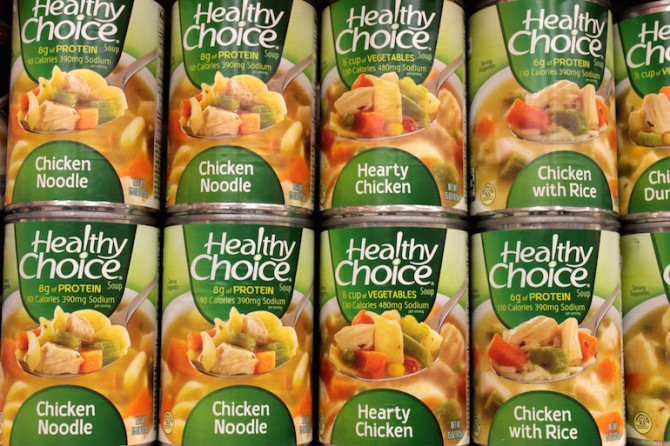
Misleading food labels australia
False labelling hides the truth about superfoods | Pursuit by The ... Our recent research shows that Australia's current food regulation system is not adequately protecting consumers from 'food fraud' - misleading or false statements made about a product for economic gain. At a time when obesity and diabetes are on the rise, consumers are increasingly anxious to make 'healthy' food choices. Food labelling in Australia: a warning on misleading the consumer ... The ACCC v Pirovic case in Australia illustrates the risk in adopting a food labelling and advertising campaign that does not pay sufficient regard to what is conveyed by the label to consumers. 'Free range' labelling credence claims 'Free range' labelling of eggs has a particularly strong impact on the mind of consumers. Organic labelling - how to tell if it's the real deal | FOODWISE In Australia the use of the label 'organic' is heavily regulated by the Australian Quarantine and Inspection Service (AQIS) when produce is exported, but open to abuse for the domestic market. Take, for example, a brand of pasta whose name looks a lot like the word 'organic'. It displays labels saying "quality", "gourmet" and ...
Misleading food labels australia. PDF Food Labels What do they mean? - Food Standards Foods such as peanuts, tree nuts (e.g. cashews, almonds, walnuts), shellfish, finned fish, milk, eggs, sesame and soybeans and their products, when present in food, may cause severe allergic reactions and must be declared on the label however small the amount. Food labels - Better Health Channel Under labelling laws introduced in Australia in 2003, virtually all manufactured foods must carry an NIP. There are exceptions to the labelling requirements, such as: very small packages and foods like herbs, spices, salt, tea and coffee single ingredient foods (such as fresh fruit and vegetables, water and vinegar) food sold at fundraising events Misleading Food Labels Misleading food labels could put you at risk. Food producers often use labels as a marketing tool & you might not be getting what you think Food labelling FAQs | ACCC biscuits and snack food (e.g. chips, crackers and ready to eat savoury snacks but excluding cakes, muesli bars and processed nuts) bottled water soft drinks and sports drinks (excluding non-carbonated fruit or vegetable drinks, milk and milk substitute drinks) alcoholic beverages.
Regulating health claims on food labels using nutrient ... - PubMed Conclusions: Promotion of unhealthy foods using claims is potentially misleading for consumers and hinders their ability to select healthier foods. Implementation of the proposed regulation represents an improvement to current practice. Publication types Research Support, Non-U.S. Gov't MeSH terms Australia CHOICE guide to food labelling - Nutrition Both the Food Regulations and the Commonwealth Trade Practices Act - administered by the Australian Competition and Consumer Commission (ACCC) - prohibit false and misleading information. So you'd think this would be a safety net for the consumer, but in reality nothing much is ever done about misleading food labelling. Food Labels Are Super Sneaky. Here's What They Really Mean Here's what 13 misleading food labels really mean. 1. 'Toasted', 'crunch', 'clusters' -- contains added fat or oil "These are three words that basically mean the same thing, but the label is used on various foods," McAleese told HuffPost Australia. "It's really another way of saying there is added fat or oil in the product. PDF Misleading descriptions for food options paper - Department of Health In October 2018, the Forum noted stakeholder concerns regarding potentially misleading descriptions of food products and asked the Food Regulation Standing Committee (FRSC) to develop an options paper on how foods standards, including labelling, definitions and other elements, can be used to address misleading descriptions of food.
Food labelling - Department of Health Name or description of the food Name and business address for an Australia or New Zealand supplier Mandatory warning, advisory statements and declarations (allergens) Ingredient listing and percentage labelling Date marking - use by and best before dates Lot identification Food additive labelling Health claims (nutrition, health and related claims) No more almond 'milk'? Australia looks to stop 'misleading' plant-based ... Manufacturers in Australia may soon have to re-label all plant-based products containing the terms 'meat' and/or 'milk' in them, as politicians request Food Safety Australia New Zealand (FSANZ) to review the standards surrounding these. ... Australia looks to stop 'misleading' plant-based product labelling . Misleading food labels use healthy-sounding terms for additives Rosemary extract is just one of the euphemisms used to mislead shoppers on food labels. The wording is a substitute for BHA and BHT, found in foods such as cereals, salami, fresh pasta, margarine and cooking oils to help preserve their shelf life. False or misleading claims | ACCC If the overall impression left by a business's advertisement, promotion, quotation, statement or other representation creates a misleading impression in your mind—such as to the price, value or the quality of any goods and services—then the behaviour is likely to breach the law. There is one exception to this rule.
What Those Misleading Food Labels Actually Mean
Misleading allergy labelling puts lives at risk - The Conversation There a similar cases of inadequate allergy labelling on foods every month. In fact, the Food Standards Agency publishes details of allergy alerts where food retailers and manufacturers have...
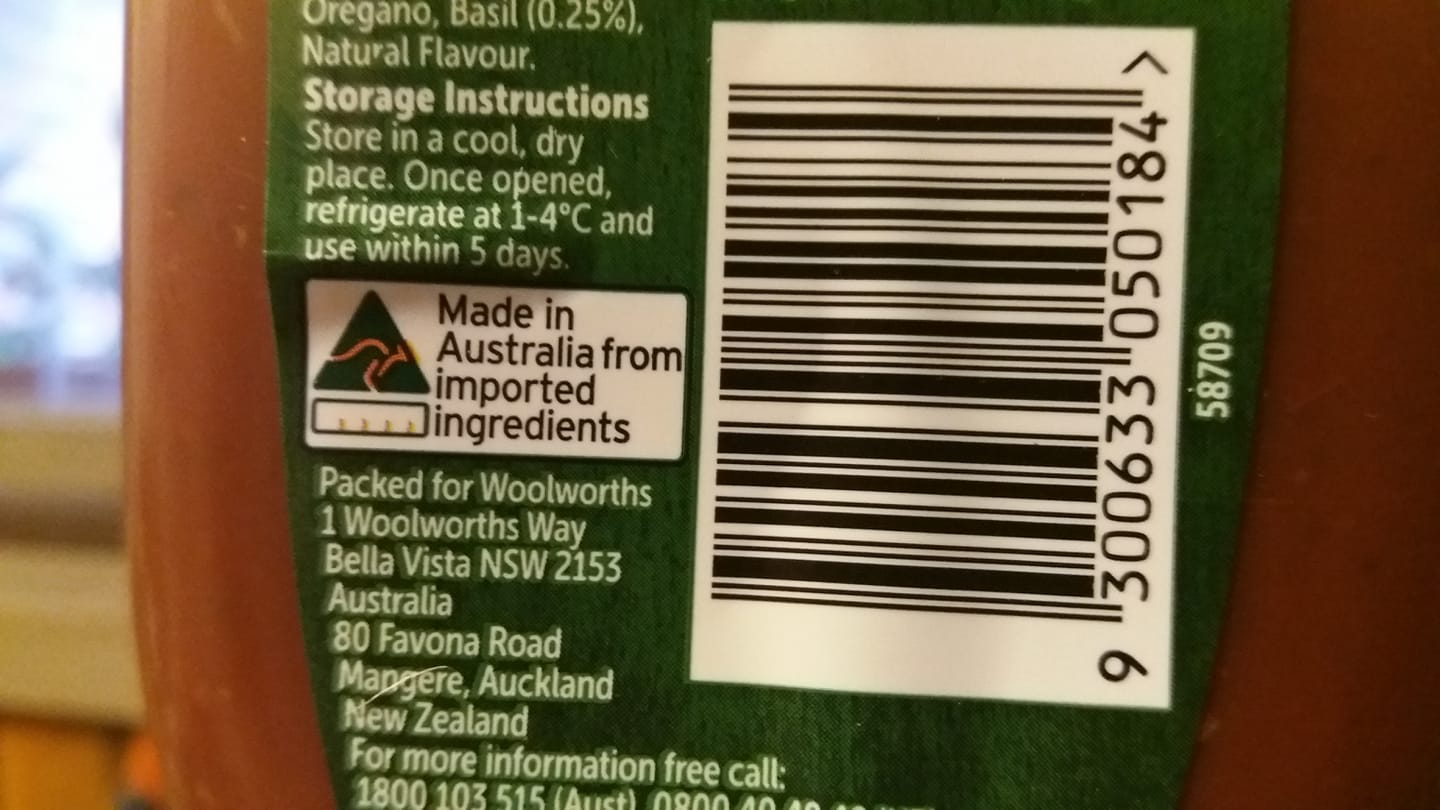
Product country of origin and deceptive labelling - Shopping ...
In Pictures: 29 Foods With "Health Claims" That Are Deceiving You And ... A. It's a little scary that food companies can put deceptive labels on foods we already know are unhealthy. I've first-hand see people say "oh, look, it's all natural!" and then never question the food from then on out. B. The whole "all natural thing." People think if a label says it's natural, it's fine to eat.
FDA Working to Replace Misleading Food Labels | Live Science
Meat industry claim that plant-based products 'mislead' people rejected ... abc.net.au/news/meat-inmdustry-plant-based-label-misleading-rejected/100337260 Meat industry claims that people are being misled by the labelling of plant-based products have been rejected by the competition regulator, which says it has seen no evidence of deceptive conduct. Key points:

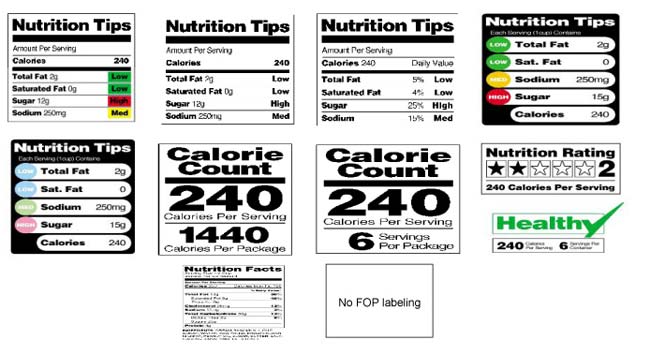
Front of pack labels enhance attention to nutrition ...
Supermarket food labels mislead shoppers - The Sydney Morning Herald The food can then be sold without country-of-origin labels in Australia under a free trade agreement. Both Coles and Woolworths say all their New Zealand-sourced food is labelled under the higher ...
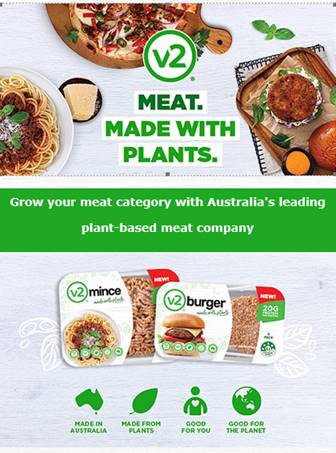
Texas approves bill banning 'meat' and 'beef' from labels of ...
Labelling - Food Standards In addition to the Food Standards Code, all representations made about food are subject to fair trading laws and food laws in Australia and New Zealand which prohibit false, misleading or deceptive representations. For further information see Truth in labelling, weights and measures and legibility.
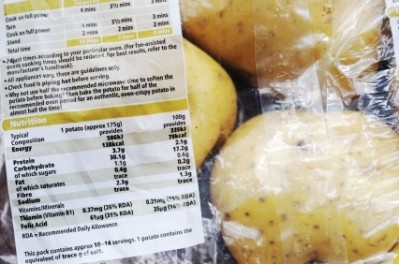
Choice calls for shaming dodgy food labels in Australia
Buyer beware: Consumer labels can mislead shopper Labels on products in Australia claim to inform consumers of anything from efficiency ratings to country of origin, but they're often misleading, confusing or wrong. ... like saying food is 100 ...
Foods That Are Illegal Outside the US
Food labelling - Health.vic Food businesses must ensure that they do not mislead or deceive consumers with any claims made on food labels. Food importers must also comply with Australian labelling laws. All packaged foods sold in Australia must comply with the labelling requirements stated within the Food Standards Code.

Australia Inquiry Seeks Ban On Plant-Based 'Meat' Labels ...
What Are The Labelling and Packaging Laws in Australia? Key Takeaways. Australia has strict labelling and packaging laws. Failing to comply with these laws can result in damage to your business and customers. As a general rule, all product packaging and labels must comply with the Australian Consumer Law (ACL). The ACL prohibits you from making misleading, deceptive, or false claims on your products ...
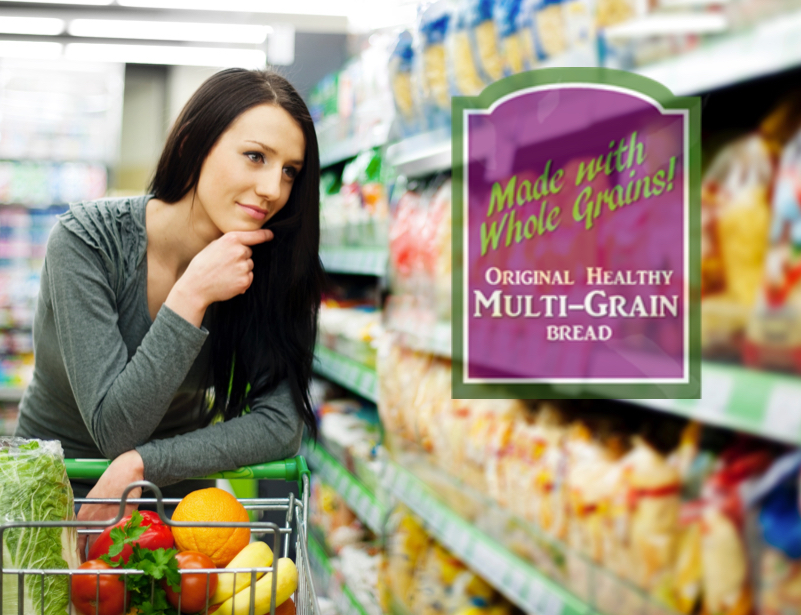
5 Misleading Food Labels
Food label details misleading: study - The Age Food label details misleading: study. THE mandatory nutrition information on processed foods in Australia is often inaccurate and misleading, according to the first analysis of how well the claims ...
Heinz to pay $2.25m for 'misleading and deceptive' marketing ...
Australian legal requirements for food labelling | MDW Lawyers For most foods, the label must also state the lot or batch number, which can be used to identify where the food was prepared or packed and the lot or batch that the food belongs to. 10. Misleading and deceptive conduct All representations made both on and off-pack must comply with the ACL.
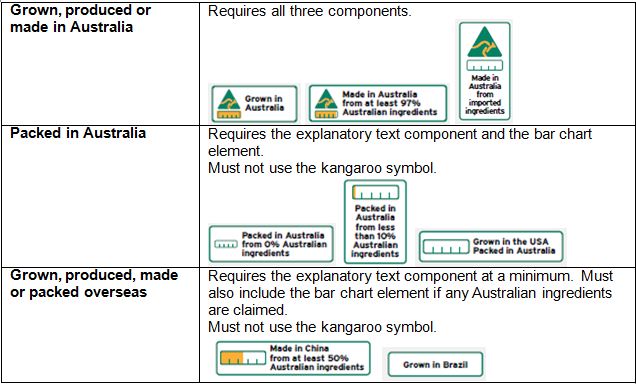
Jumping into the new country of origin food labelling ...
Misleading Nutrition and Food Labels - Health Food 16 Most Misleading Food Labels Terms like "fat free" or "all natural" are often slapped on a food item that may not be healthy at all. Check out our list of the 16 most common and most...
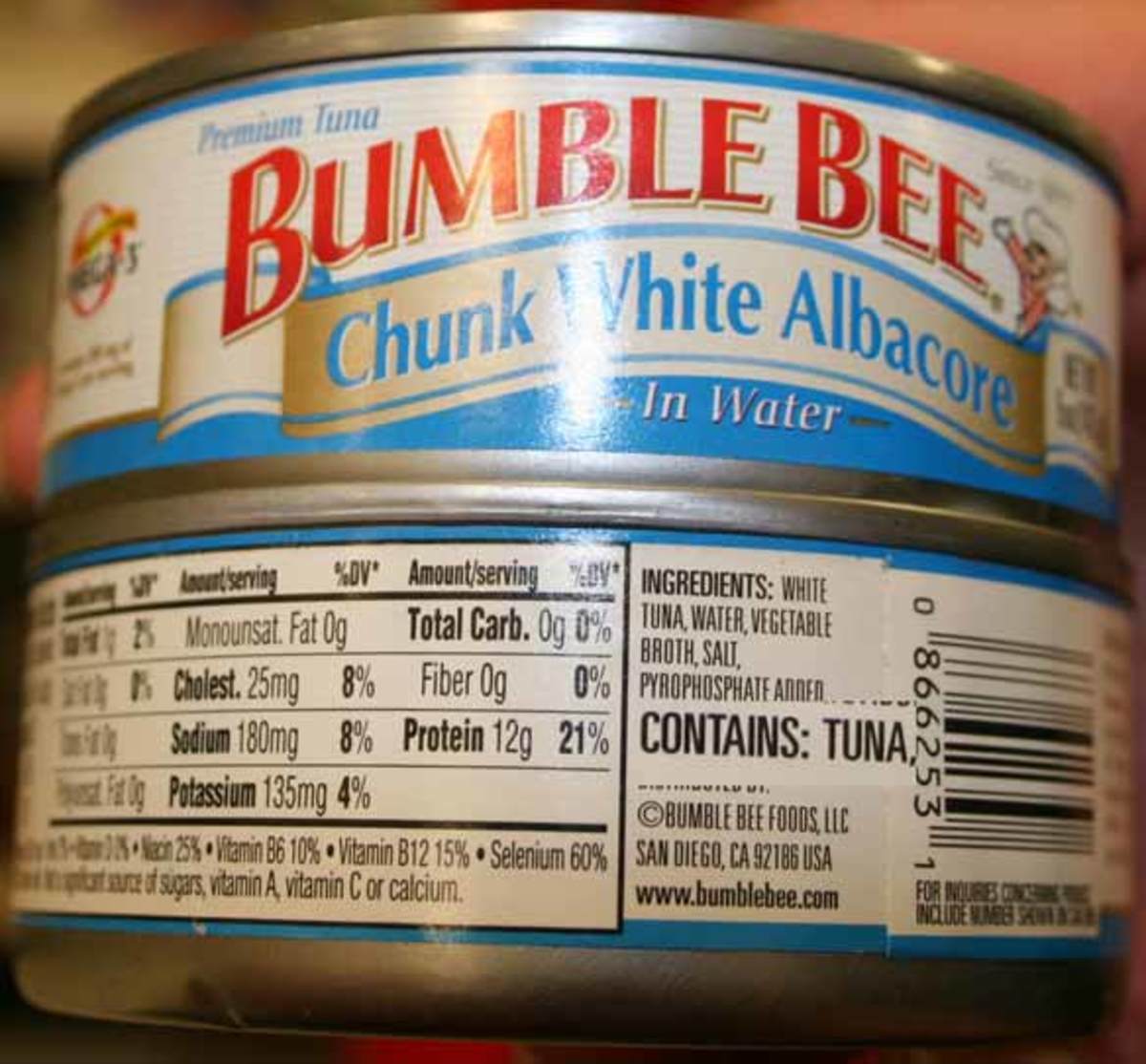
Misleading Food Labels: Read Them Carefully - HubPages
Organic labelling - how to tell if it's the real deal | FOODWISE In Australia the use of the label 'organic' is heavily regulated by the Australian Quarantine and Inspection Service (AQIS) when produce is exported, but open to abuse for the domestic market. Take, for example, a brand of pasta whose name looks a lot like the word 'organic'. It displays labels saying "quality", "gourmet" and ...
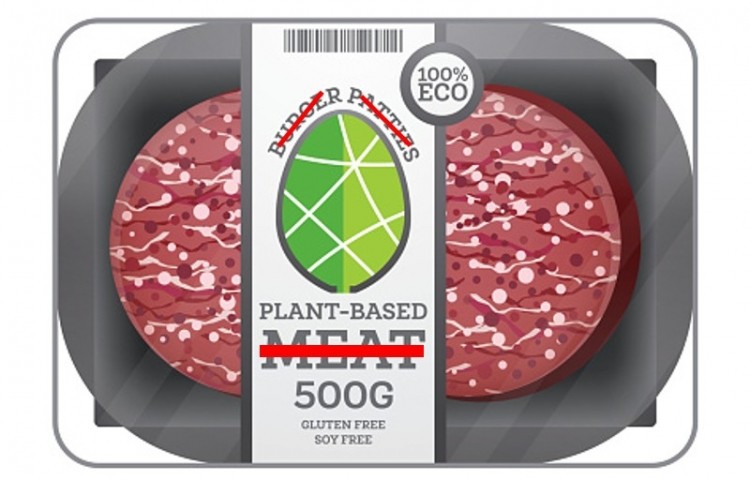
Australian plant-based industry lambasts 'restrictive ...
Food labelling in Australia: a warning on misleading the consumer ... The ACCC v Pirovic case in Australia illustrates the risk in adopting a food labelling and advertising campaign that does not pay sufficient regard to what is conveyed by the label to consumers. 'Free range' labelling credence claims 'Free range' labelling of eggs has a particularly strong impact on the mind of consumers.

Misleading health claims? Some food labels are uncorrelated ...
False labelling hides the truth about superfoods | Pursuit by The ... Our recent research shows that Australia's current food regulation system is not adequately protecting consumers from 'food fraud' - misleading or false statements made about a product for economic gain. At a time when obesity and diabetes are on the rise, consumers are increasingly anxious to make 'healthy' food choices.
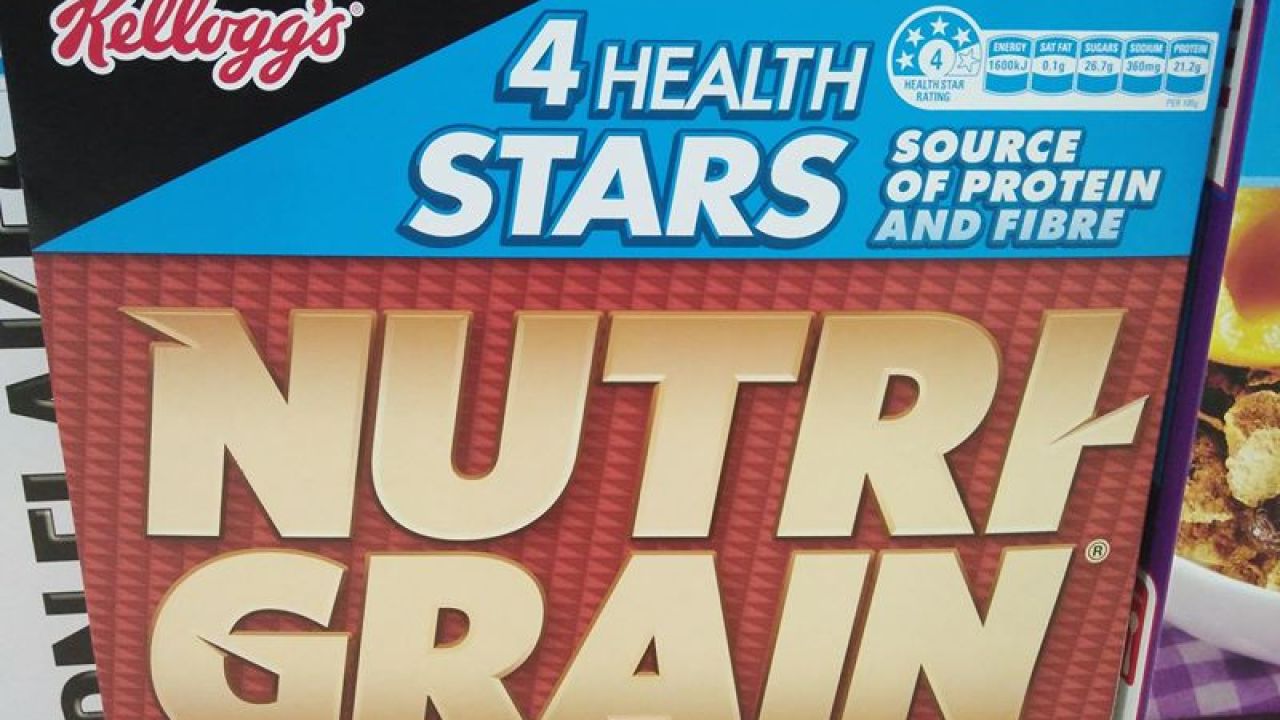
Australia's Health Star Ratings Are A Dishonest, Misleading Mess
Nutrition Claims On Food Packaging | What Do They Mean ...
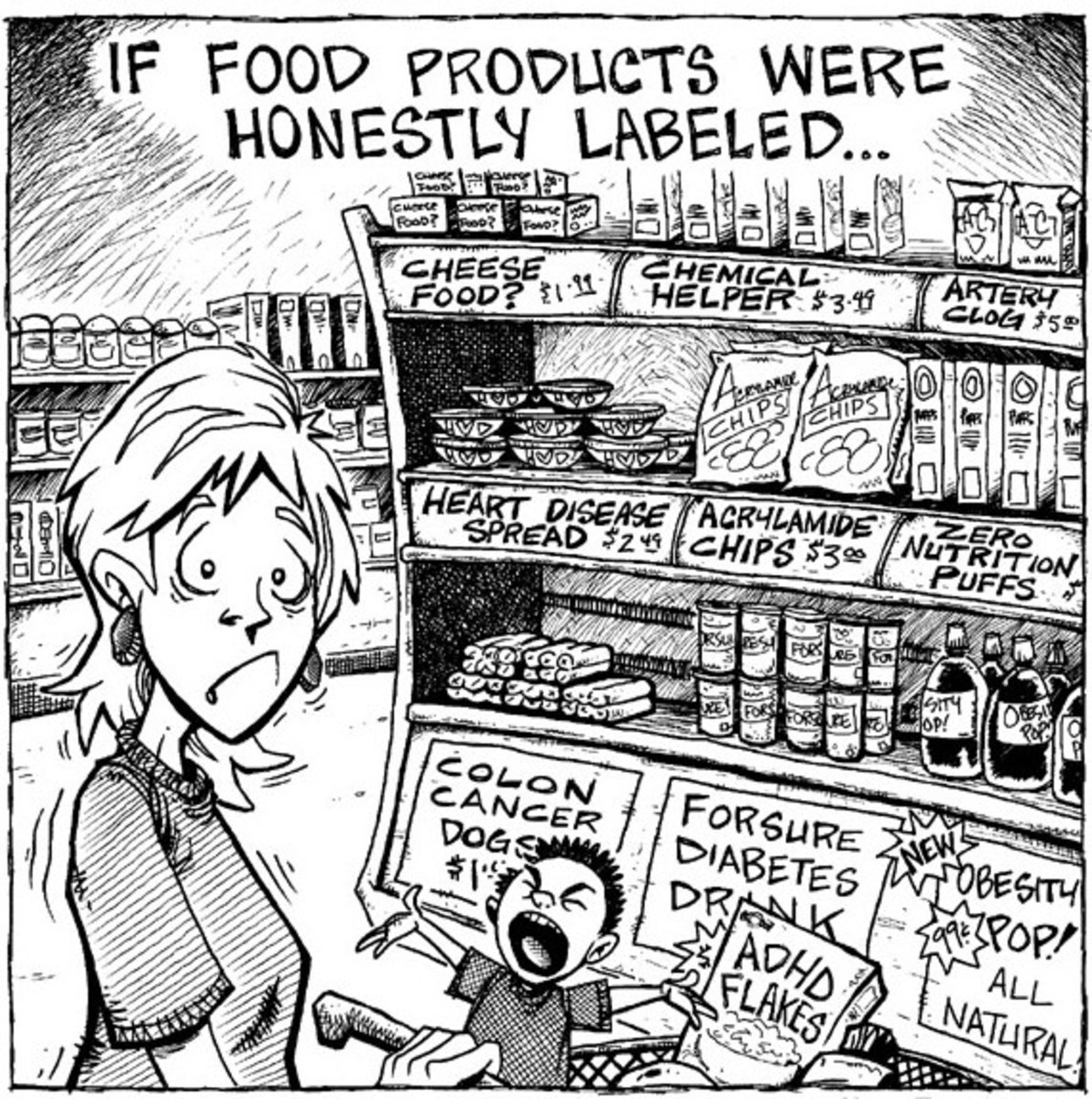
Misleading Food Labels: Read Them Carefully - HubPages
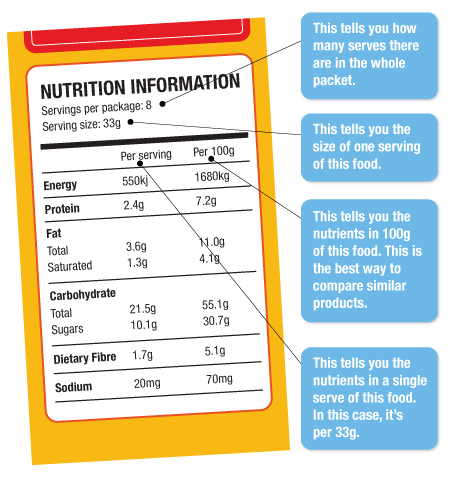
Food labels & nutritional information | Raising Children Network
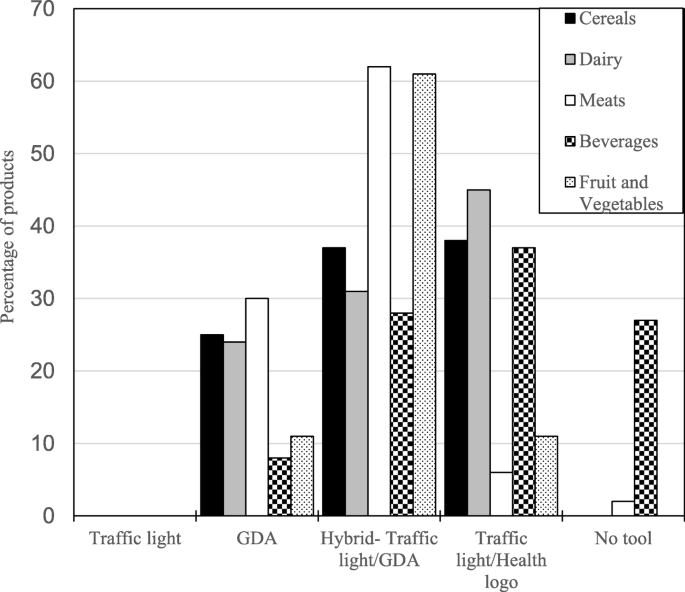
An assessment of nutrition information on front of pack ...
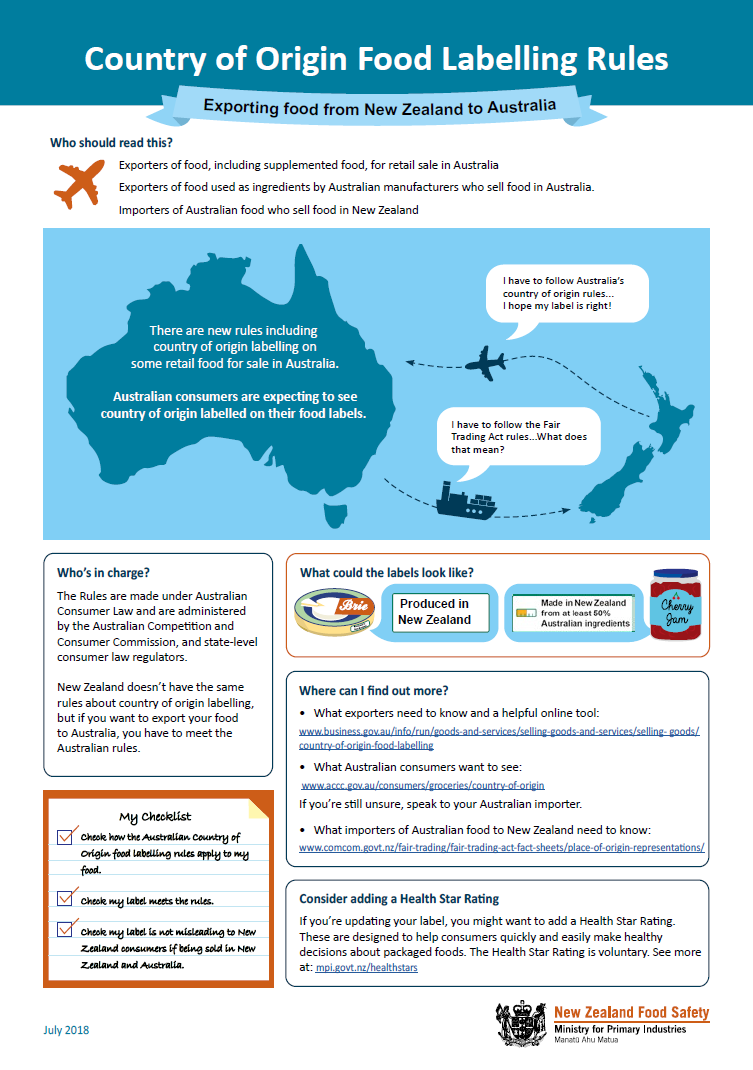
Ministry for Primary Industries - Food exporters – if you ...
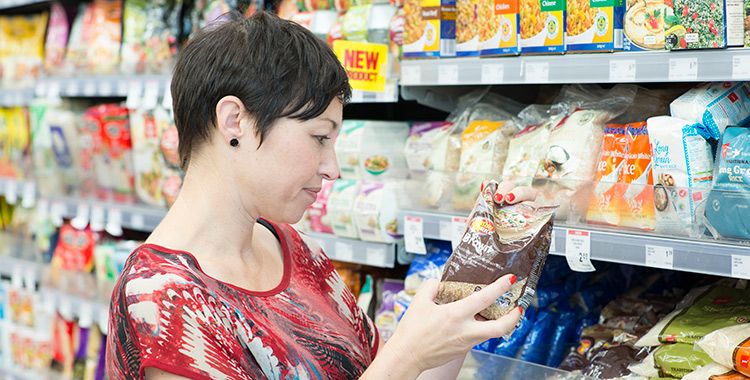
Nutrition Claims On Food Packaging | What Do They Mean ...

For safety's sake, make food labels say what companies ...

Contaminated Frozen Berries & Misleading Food Labelling in ...

Maggie Beer products ruled to have misled customers about ...

Watch Out for These 10 Unregulated & Misleading Food Labels ...
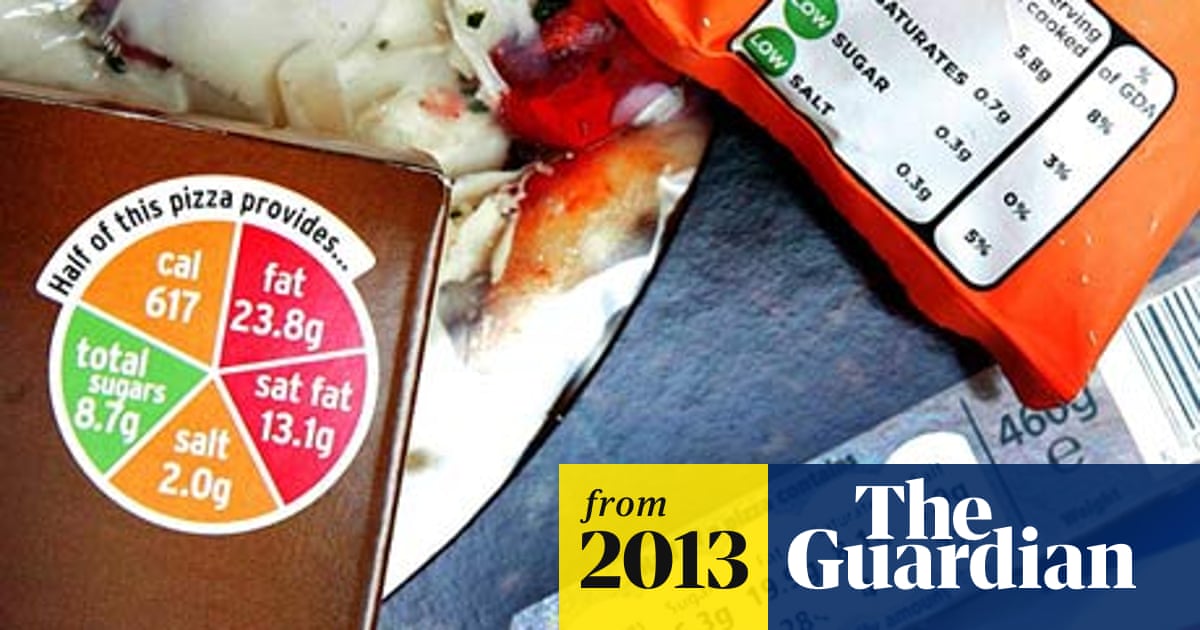
Food packaging 'traffic lights' to signal healthy choices on ...
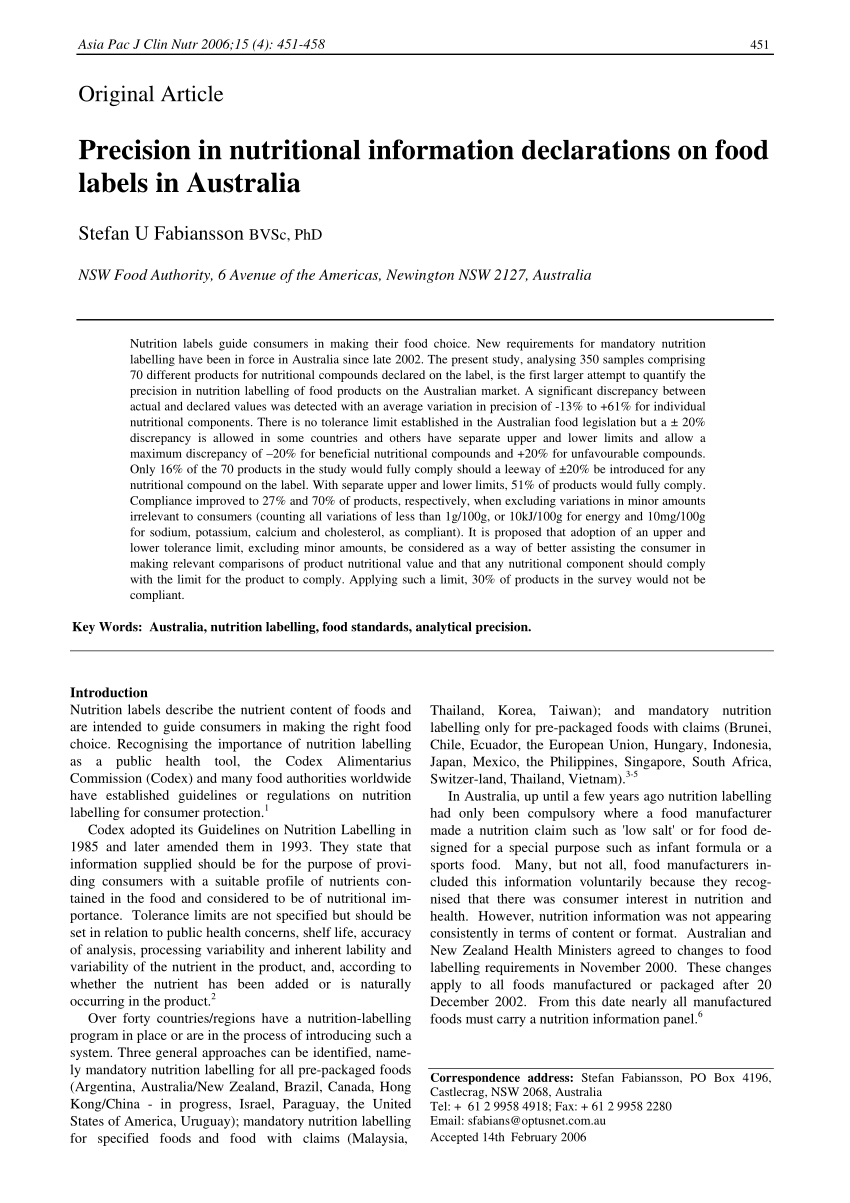
PDF) Precision in nutritional information declarations on ...
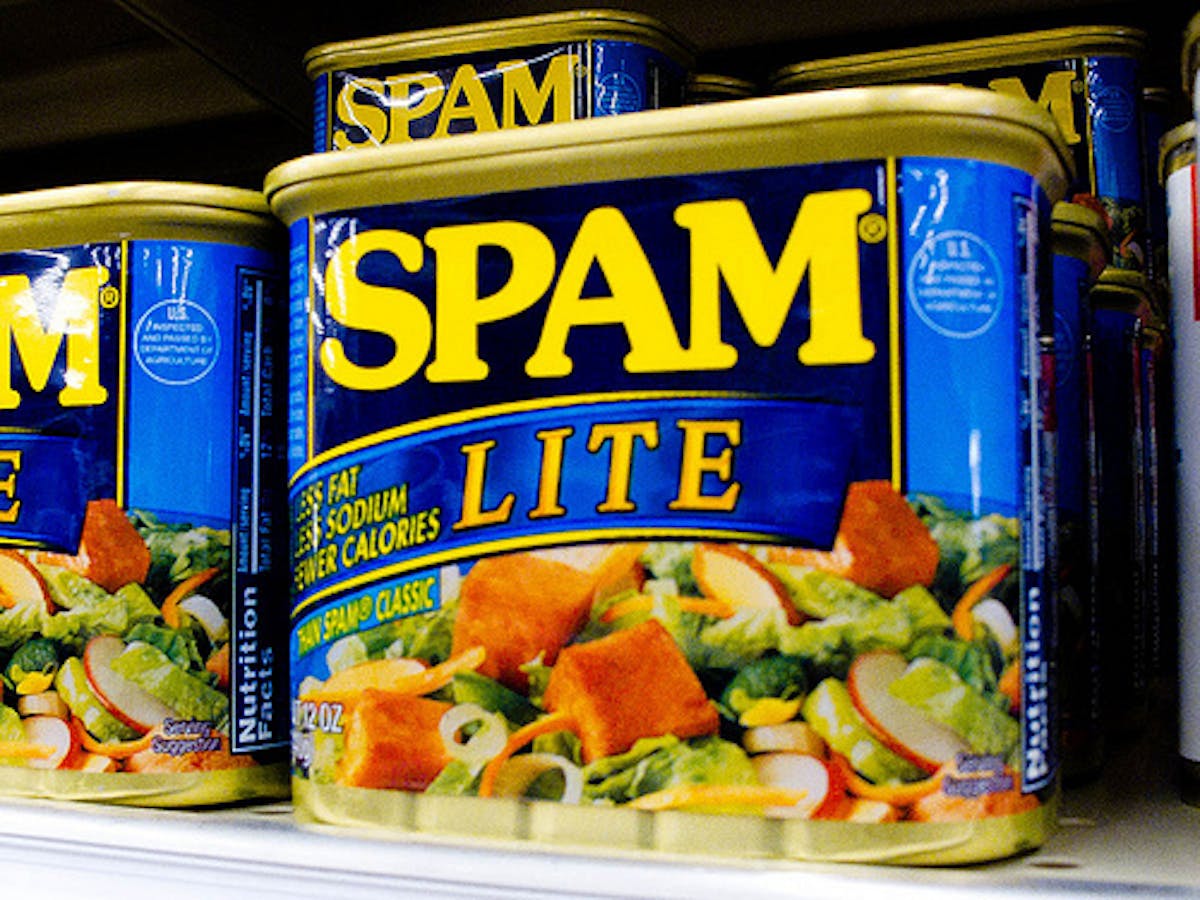
Monday's medical myth: light or 'lite' food is healthy
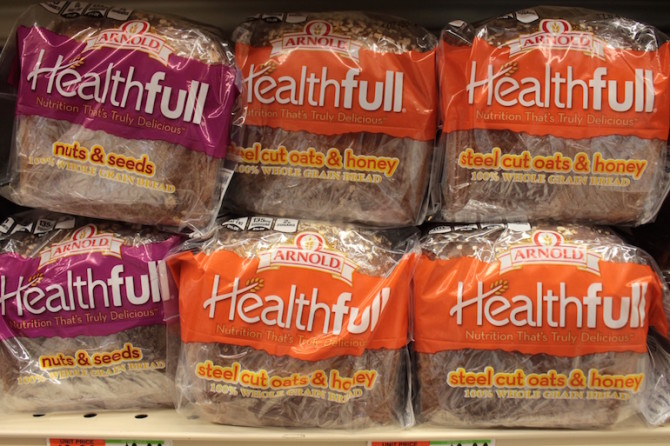
What Those Misleading Food Labels Actually Mean

Front of pack labels enhance attention to nutrition ...

Labelling poster - how to read food labels
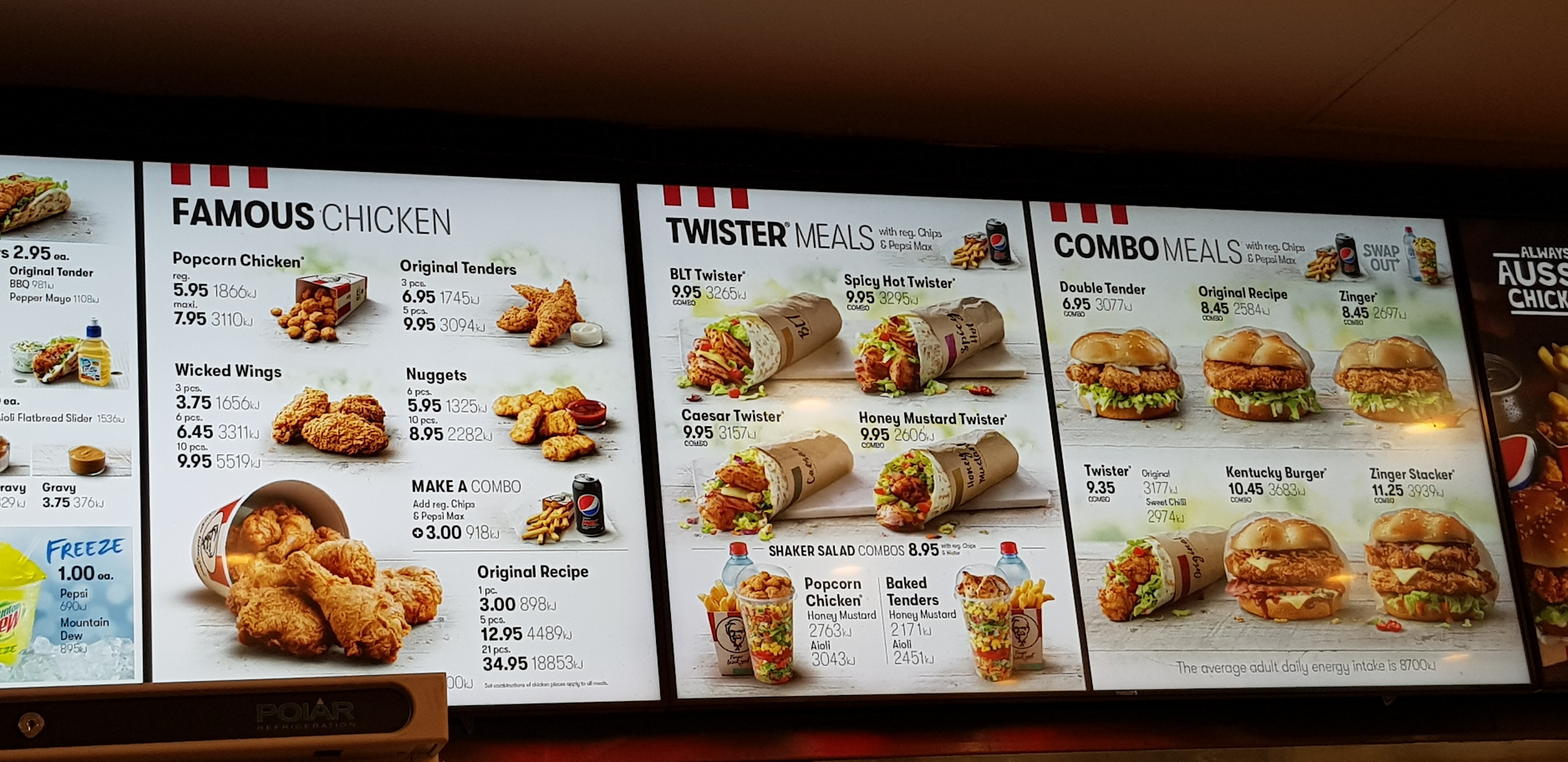
Food labelling overview | Obesity Evidence Hub

Are These Britain's Most Misleading Food Labels? — Bite Back 2030
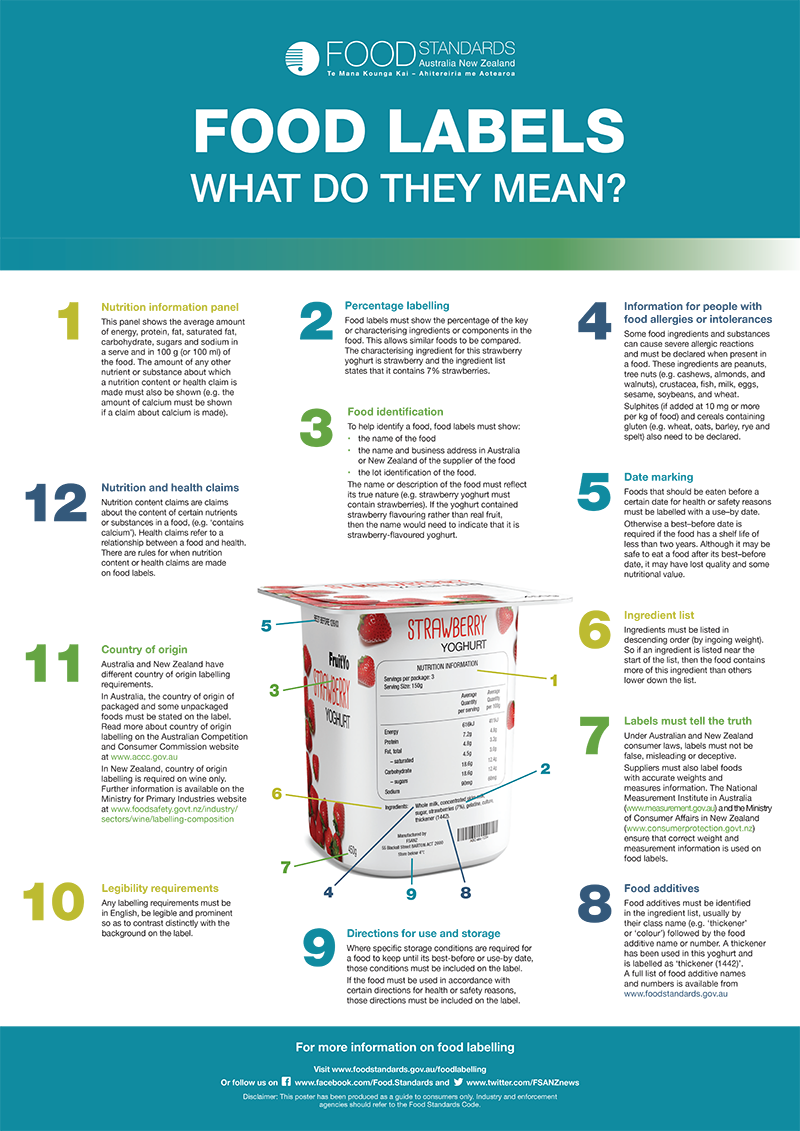
Food Standards Australia New Zealand - Do you find food ...

Food labelling overview | Obesity Evidence Hub
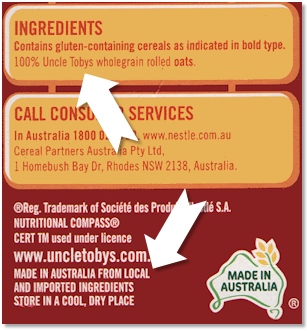
Food Labelling - Made in Australia, Product of Australia ...

Feeding kids: Are you falling for misleading food labels ...

Domestic Labelling | Wine Australia
Post a Comment for "38 misleading food labels australia"